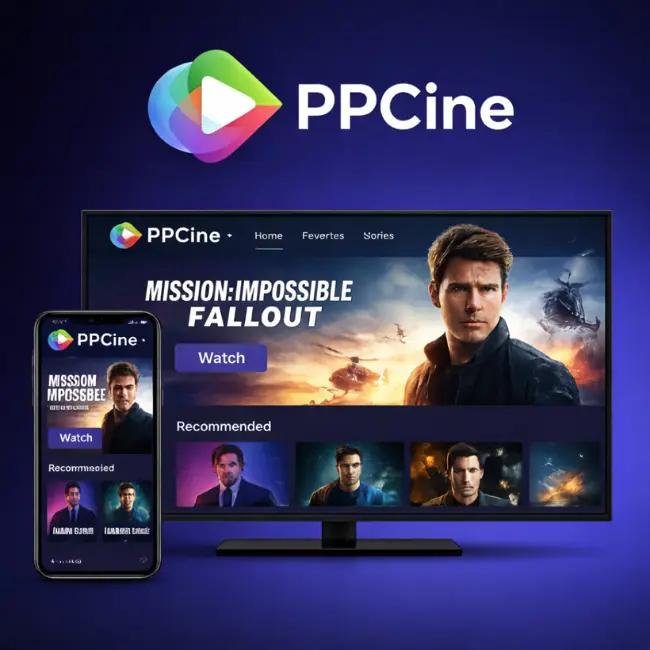
PPCine App

Exploring PPCine Within the Apple Ecosystem
Introducing Movie Discovery on iPhone
Modern mobile technology transforms the way audiences locate, evaluate, and track their favorite films. Using an iPhone as a dedicated handheld hub allows film enthusiasts to access detailed entertainment databases directly from their pockets. High-resolution Retina displays, responsive touch interfaces, and fast mobile processors make browsing cinematic collections continuous and visually engaging. PPCine gives iPhone users an organized platform designed to present critical details about cinema releases, independent projects, and classic films cleanly. By tailoring its layout to the mobile form factor, the application helps viewers spend less time searching across disconnected websites and more time evaluating film synopsis information, release schedules, and creative details.
Understanding the PPCine Experience for Apple Users
Apple users expect software to deliver responsive navigation, clean visual design, and efficient resource usage. PPCine provides an intuitive workspace that aligns with these software standards. The experience focuses on presenting comprehensive media metadata clearly, avoiding cluttered navigation panels or unnecessary interactive barriers. Furthermore, system-level integration allows viewers to transition smoothly between different content sections, search for specific genres, and quickly review media descriptions without encountering heavy system lag. This structured focus on user experience ensures that exploring entertainment remains straightforward for both casual viewers and dedicated film archivists.
Exploring Entertainment Information on iPad
While iPhones offer excellent portable access, the iPad introduces a spacious canvas ideal for detailed entertainment research. PPCine takes advantage of iPadOS displays by expanding multi-column layouts, scaling high-definition promotional posters, and displaying extended cast biographies alongside plot summaries. Viewers can sit back with an iPad to evaluate complex television series timelines, analyze episode breakdowns, and explore film director archives across widescreen layouts. Additionally, the larger touch target area and multi-tasking capabilities of iPadOS allow users to keep PPCine TV side-by-side with note-taking apps or browser tabs, establishing a complete media planning environment on a tablet.
iOS Availability and Apple Device Compatibility
Checking PPCine Availability on the App Store
Navigating app marketplaces requires clear expectations regarding distribution channels. Official store searches for PPCine may return utility apps, movie trackers, or third-party catalog tools that share similar names. Standard applications operating within Apple’s App Store follow strict listing rules, meaning primary streaming utility packages or third-party catalog builds are often hosted across specialized external directories or regional listings. Therefore, Apple device owners should carefully verify developer names, bundle identifiers, and core feature descriptions when searching store archives to ensure they are getting their intended media guide.
iPhone and iPad Software Requirements
To run modern discovery tools smoothly, your device hardware and operating system must satisfy baseline requirements. Modern iOS releases prioritize background memory optimization, fluid touch controls, and high-security runtime environments. Below is a detailed breakdown of core compatibility criteria for Apple hardware:
| Hardware Type | Minimum OS Version | Recommended OS Version | Storage Allocation | RAM Requirement |
| iPhone (A12 Bionic or newer) | iOS 14.0 | iOS 16.0+ | 150 MB free space | 3 GB minimum |
| iPad (Standard, Air, Pro) | iPadOS 14.0 | iPadOS 16.0+ | 250 MB free space | 4 GB minimum |
| iPod Touch (7th Generation) | iOS 14.0 | iOS 15.7 | 100 MB free space | 2 GB minimum |
| Mac (Apple Silicon M1+) | macOS 11.0 (via iPad App compatibility) | macOS 13.0+ | 300 MB free space | 8 GB minimum |
Understanding Apple’s Application Distribution Rules
Apple maintains strict control over software installation through its walled-garden architecture. Every application distributed via the official App Store undergoes mandatory review processes that evaluate app safety, privacy compliance, code integrity, and content licensing standards. Non-listed packages, standalone IPA executable files, or third-party web portals operate outside this traditional pipeline. Understanding these distribution parameters helps users evaluate security settings, developer trust profiles, and sandboxing protections when deciding how to access third-party media tools on their primary devices.
Evaluating Compatible Access Methods
Because software deployment methods vary across ecosystems, Apple device owners can explore multiple legitimate ways to interact with PPCine TV App content:
- Official Store Utilities: Downloading verified tracking, cataloging, or watchlist applications direct from the App Store.
- Web-Based Portals: Using mobile browsers like Safari or Chrome to access responsive web apps without installing unverified local binaries.
- TestFlight Distribution: Participating in official developer beta programs using Apple’s secure sandbox environment.
- Enterprise Profiles: Utilizing authorized custom enterprise certificates to install enterprise-level preview builds when supported.
A Closer Look at the iOS Discovery Experience
Discover PPCine on iPhone and iPad, explore movie collections, understand Apple privacy controls, and learn about convenient iOS browsing.
Exploring Movie Information on an Apple Screen
Launching PPCine on an iOS screen opens a modern interface built around high-contrast typography, clear visual hierarchy, and fast-loading media cards. The primary home dashboard highlights trending theatrical releases, newly archived independent films, and curated weekly watchlists. Tap any title card to open a full information screen detailing critical metrics such as duration, original language options, production budgets, and user ratings. This organized screen format lets users quickly evaluate whether a film fits their current viewing preferences without navigating complex submenus.
Finding Film Details and Production Information
Beyond basic summaries, PPCine organizes background metadata to satisfy deep research needs. The app indexes critical behind-the-scenes assets into distinct summary sections:
- Production Overview: Displays studio information, release dates, box office data, and country of origin.
- Creative Leadership: Credits directors, screenwriters, producers, and head cinematographers.
- Technical Specs: Details aspect ratios, original audio formats, color profiles, and running lengths.
- Plot Synopsis: Offers spoiler-free narrative breakdowns highlighting main conflicts and thematic elements.
Browsing Television and Animation Categories
Television series and episodic animation demand a different organization style than standalone movies. PPCine uses a structured hierarchy that groups long-form shows into distinct seasons and numbered episodes. Users can click through individual season tabs to view episode titles, original air dates, individual chapter summaries, and guest star listings. Dedicated animation hubs also group content by animation style, studio origin, and broadcast run, making it easy to track complex multi-season series across different genres.
Understanding Content Presentation on iOS
Content presentation on iOS balances aesthetic detail with battery efficiency. Thumbnail assets dynamically compress based on your network connection, preventing unnecessary data usage over mobile networks. Text scales using iOS Dynamic Type rules, ensuring full readability across different screen sizes. Smooth vertical scrolling combined with horizontal swipe galleries allows users to browse hundreds of media entries naturally using standard iOS touch gestures.
Exploring Entertainment Information Through PPCine
International Cinema and Movie Collections
Global cinema represents a vast library of storytelling styles, languages, and artistic movements. PPCine curates collections that span classical Hollywood eras, contemporary European festival selections, Asian action cinema, and emerging regional indie markets. Organized country tags and regional filters allow users to discover foreign-language masterworks alongside local blockbusters. Detailed information screens highlight subtitle availability, dubbed audio options, and cultural context notes to make exploring international cinema accessible for global audiences.
Television Productions and Episodic Stories
Modern television storytelling relies on complex world-building and character arcs spanning multiple seasons. PPCine provides an organized workspace designed for TV series tracking. Viewers can explore network comedy series, investigative crime documentaries, miniseries, and prestige drama shows. The layout tracks narrative arcs by separating standalone filler chapters from key plot episodes, giving viewers a clear roadmap through long-running television franchises.
Anime Titles and Animated Productions
Animated media covers everything from children’s feature films to sophisticated adult anime series. PPCine indexes animated works under dedicated category tags, separating traditional hand-drawn features, 3D computer animation, and regional Japanese anime series. Viewers can sort anime collections by broadcast seasons, search by animation studios, or filter content by sub-genres like fantasy, sci-fi, slice-of-life, and mecha. Each entry highlights original voice cast details, character lists, and original manga origins.
Cast Information and Film Backgrounds
Behind every successful production is a dedicated team of performing talent and creative crew members. PPCine indexes performer profiles into clickable actor directories. Tapping an actor or director opens a dedicated portfolio page showing their complete filmography, biographical background, career awards, and major collaborators. This interconnected database structure makes it easy for film fans to trace an artist’s career trajectory across multiple decades and projects.
Accessing PPCine on an iPhone or iPad
Getting started with PPCine on Apple hardware requires verifying access avenues, evaluating system security, and checking software prerequisites before installing or launching the app. Apple users must first decide between verified App Store listing variations, mobile browser environments, or managed web apps. First, open your device’s Settings menu, select General, tap About, and verify that your system is running iOS or iPadOS 14.0 or higher. Ensure your device has at least 200 MB of free storage space to handle cached metadata and poster images without bottlenecking performance.
Next, check your network environment. Connect your iPhone or iPad to a secure Wi-Fi network or verify active mobile data settings to ensure smooth poster rendering and metadata indexing. If you are using the official App Store discovery variant, open the store app, type the exact application name into the search bar, tap the official download icon, and authenticate using Face ID, Touch ID, or your Apple ID passcode.
For web-based platforms, open Safari, navigate directly to the verified URL, tap the Share button, and select Add to Home Screen to create a lightweight Web App icon on your grid. Avoid unauthorized third-party profile downloads, modified configuration profiles, or unverified enterprise certificates that ask to bypass iOS security settings, as these can compromise your device’s safety. Once installed or configured, launch the app from your home screen, choose your interface language, and begin exploring the database without completing lengthy registration processes.
Creating a More Convenient iOS Browsing Routine
Building an efficient browsing routine helps you discover new films, organize watchlists, and manage your viewing schedules on iOS devices. Take advantage of built-in search tools by entering specific titles, direct keywords, actor names, or director filmographies to pinpoint exact media entries quickly. Use advanced filtering controls to sort media by release year, user review scores, content ratings, or audio tracks, narrowing thousands of options down to a focused shortlist.
Read short plot synopses and review age rating badges before adding titles to your personal watchlists. Organize saved titles into custom lists based on genres, weekend watch plans, or mood categories to keep your media library tidy. Use iOS system features like Dark Mode to make reading late at night comfortable, or use AirPlay to mirror trailer links and media cards onto larger Apple TV displays. By spending a few minutes setting up custom watchlists and default filters, you transform PPCine from a basic database into an organized personal entertainment assistant tailored to your daily routine.
Apple Privacy Standards and Common Access Issues
Understanding iOS Permission Controls
Apple includes strict privacy controls designed to protect personal user data. PPCine functions primarily as an informational media guide and requires minimal hardware access to operate. The table below explains standard system permissions and their specific operational requirements:
| Permission Name | Required Status | Purpose within PPCine | Privacy Impact |
|---|---|---|---|
| Network Data / Wi-Fi | Required | Fetches live movie metadata, poster graphics, and cast details. | Low — transmits encrypted HTTP requests. |
| Notifications | Optional | Sends alerts about newly listed movies or episode releases. | Low — can be toggled off at any time. |
| Photos / Storage | Not Required | Saves custom poster graphics or export lists locally. | Medium — requires user consent. |
| Location Services | Denied / Off | Unnecessary for catalog navigation. | High — should remain disabled. |
| Contacts & Mic | Denied / Off | Completely unused by media guide features. | High — always keep permissions revoked. |
App Store Verification and Developer Information
When reviewing software on the App Store, always verify the developer’s identity, published privacy nutrition labels, and user ratings. Official store listings explicitly detail what data the application collects, such as diagnostic logs or crash reports, and whether that data links back to your user identity. Reviewing developer release notes and software version histories helps ensure that the application is actively maintained, updated against security bugs, and optimized for modern iOS releases.
Handling Compatibility and Access Problems
If you encounter performance issues, unexpected app crashes, or missing image posters while using PPCine, follow these structured troubleshooting steps:
Verify active Wi-Fi or Mobile Data connection.
Toggle Flight Mode ON/OFF to refresh network DNS.
Open iOS Settings → General → iPhone Storage.
Locate PPCine and select Offload App to clear temporary files.
Ensure device is running iOS 14.0 or higher.
Reboot device to free up background RAM.
Delete app binary from home screen.
Download fresh installer from verified source.
Keeping Apple Software Updated
Maintaining up-to-date system software is essential for app stability and device security. Apple regularly releases iOS and iPadOS updates that fix memory leaks, update graphics drivers, and patch safety vulnerabilities. Turn on Automatic Updates under Settings > General > Software Update to ensure your device receives the latest security patches. Keeping your operating system updated guarantees that third-party media applications like PPCine maintain optimal graphics rendering, smooth animation speeds, and reliable background processing.
Frequently Asked Questions About PPCine for iOS
1. Is PPCine for iOS available on iPhone?
Yes, PPCine can be accessed on iPhone models that meet the minimum operating system requirements. Users can browse content using compatible App Store tracking apps, Web-based mobile portals, or custom application builds designed for iOS screens.
2. Can I find PPCine on the Apple App Store?
Standard movie tracking apps and catalog utilities using the PPCine brand name may appear on the official App Store depending on your region. However, third-party distribution packages or standalone streaming tools are generally not hosted on Apple’s official store due to platform distribution policies.
3. Does PPCine support iPad devices?
Yes, PPCine fully supports iPad devices running iPadOS 14.0 or higher. The application scales to take advantage of larger iPad screens, displaying expanded cast lists, high-definition posters, and multi-column category views.
4. How can Apple users access PPCine?
Apple users can access PPCine by downloading authorized tracking versions from the App Store, using web-based portals via Safari, or using custom enterprise install options where available. Always verify safety requirements and operating system compatibility before setting up third-party platforms.
5. Can PPCine display movie information on iOS?
Yes, PPCine displays comprehensive movie information on iOS, including detailed plot summaries, cast and crew lists, release dates, genre tags, technical specs, and high-resolution promotional artwork.